

Cheat Days: Helpful Tool or Slippery Slope?
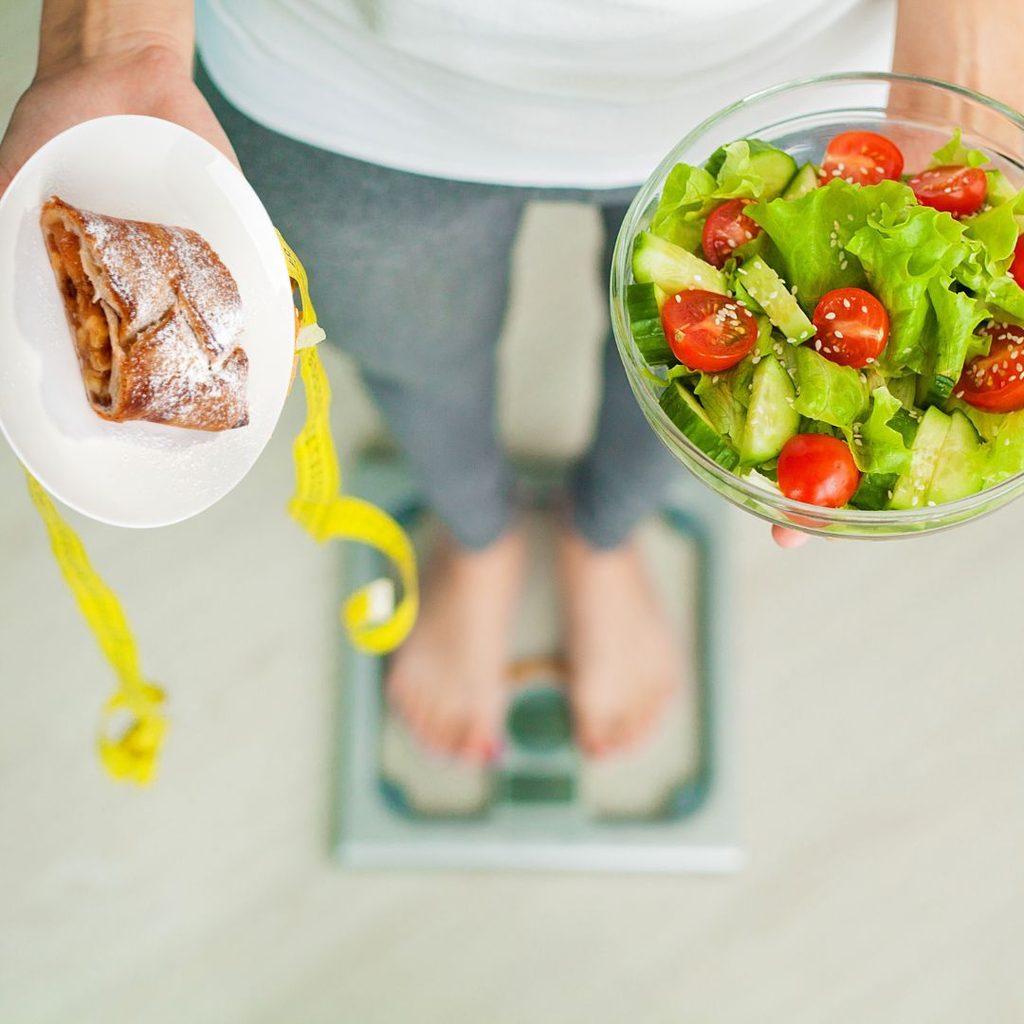
Cheat days can be tricky.
For some people, having an occasional planned treat can feel like a release valve on a pressure cooker. Knowing that you are not “never allowed” to enjoy certain foods again can reduce feelings of deprivation and make a healthy eating plan feel more manageable.
For others, however, a cheat can become a very slippery slope.
One meal turns into one day. One day turns into a weekend. And before long, cravings that had finally started to quiet down are back in full force.
That is why we believe the most important question is not:
“Am I allowed to have a cheat day?”
The better question is:
“What happens to me when I do?”
Your Body Doesn’t Know It’s Saturday
Your metabolism does not look at the calendar and give you a free pass because it is the weekend.
A day filled with sugar, refined carbohydrates, highly processed foods, alcohol, and oversized portions can affect blood sugar, insulin, water retention, hunger, cravings, digestion, and inflammation.
That does not mean one meal destroys your progress.
It simply means that what you do consistently matters.
The danger comes when a planned indulgence becomes permission to completely abandon the habits you have been working so hard to build.
Think “Planned Treat,” Not “Cheat Day”
We actually prefer not to use the word cheat.
The word itself can create an “I’m being good” versus “I’m being bad” mentality around food. That mindset often leads to guilt, overcorrection, or the familiar thought:
“Well, I already blew it, so I might as well start over Monday.”
Instead, think of it as a planned choice or planned treat. A planned treat is not a free-for-all.
It may be a dessert at a birthday celebration, a special dinner with your spouse, or one meal you truly enjoy. Have it intentionally. Enjoy it. Then return to your normal eating plan at the very next meal.
- No guilt.
- No punishment.
- No starving yourself the next day.
And most importantly, no turning one choice into an entire weekend.
Know Yourself
This may be the most important part. Some people can have one piece of cake and move on.
Others know that one highly processed or sugary food can awaken cravings they had finally gotten under control. Neither response makes you “good” or “bad.”
It simply means you need to understand how your own body and habits respond.
If every planned treat leads to three days of cravings, overeating, and frustration, then that particular strategy may not be helpful for you right now.
On the other hand, if an occasional planned treat helps you enjoy a special event and then easily return to your normal routine, it may fit into a long-term healthy lifestyle.
A Treat Is Not a Feast
If you choose to enjoy something outside your normal plan, set your boundaries before you begin. Instead of: “Saturday is my cheat day, so I can eat whatever I want all day.”
Try: “We’re going out for dinner Saturday night. I’m going to enjoy that meal, and the rest of the day I’ll follow my normal plan.”
That small difference in mindset can make an enormous difference in the outcome.
You can also look for better alternatives that still feel satisfying. A homemade dessert made with better ingredients, a healthier version of a favorite recipe, or one of your approved IHC treats may satisfy the desire without triggering the same cycle of cravings.
Don’t Let Healthy Eating Become Boring
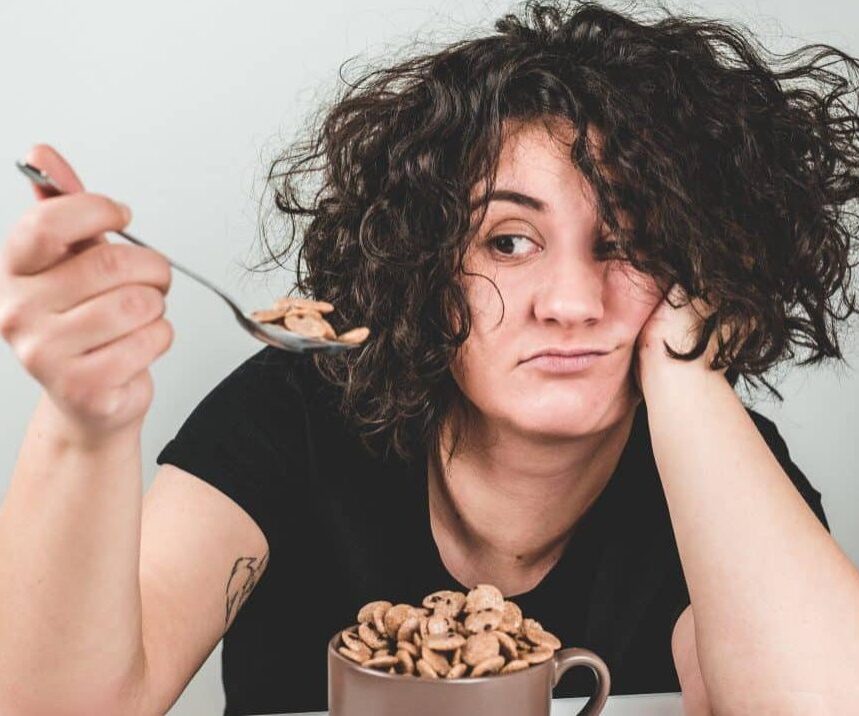
Sometimes people begin thinking about cheat days simply because they are tired of eating the same foods over and over again. That is a different problem and one that is much easier to solve.
Healthy eating should not mean chicken and broccoli every day for the rest of your life.
Try new recipes. Use different spices. Change your vegetables. Experiment with new proteins. Make meals that you genuinely look forward to eating.
The more variety and enjoyment you build into your regular eating plan, the less you may feel that you need to “escape” from it.
And What About Exercise?
At IHC we’ve been using this saying for over a decade: “You can’t out exercise poor nutrition.” You do not need to “work off” your meal. Exercising just to lose weight is a losing battle.
Movement is always beneficial, but do not think of exercise as punishment for something you ate. Instead, continue your normal healthy activity. Take a walk. Lift weights. Play with your dog. Get outside.
Movement supports your metabolism, your muscles, your blood sugar, and your overall health—but it should be part of your lifestyle, not a penalty for enjoying food.
The Bigger Goal
Remember, our goal at IHC is not simply to teach you how to follow a diet for a few months. We want to help you develop a healthier relationship with food that you can maintain for years. There will always be birthdays. There will always be holidays. There will always be vacations, restaurants, celebrations, and unexpected situations.
Success comes from learning how to enjoy those moments without allowing them to completely change your direction. So instead of asking yourself whether you deserve a “cheat day,” ask yourself:
“Will this choice help me stay in control or will it make staying in control harder?”
Make your choice intentionally. Enjoy it without guilt. Then get right back to taking care of the body you are working so hard to improve.
Progress does not require perfection. It requires consistency.
Lighten Up. Live Well.
IHC Weight Loss & Wellness